

Fine Dining Franchise or Independent Restaurant: Which Has Greater Growth Potential?
Restaurant life can be exciting for first time entrepreneurs. One of the biggest decisions you’ll face is choosing between opening your own independent place or investing money into a Fine Dining Franchise. Both ways can bring profit. But they tend to separate fast when you look at how scalable the model is, how much support exists, how strong the brand's recognition is, and what long-run growth you can expect.
With an independent restaurant, the owner gets real creative freedom. But you also end up building everything — your brand image, that customer trust, the operational structure, from scratch. A franchise, instead, tends to hand you a tested business playbook, a recognizable identity, and ongoing assistance. It can push momentum along quicker than you might manage alone.
So, if your intention is to grow a restaurant business in a more stable way, with less risk and a smoother road to expansion, then understanding these differences really matters.
What Is a Fine Dining Franchise and How Does It Work?
A Fine Dining Franchise is basically a restaurant run under an already established brand, tied in by some franchise agreement. In practice, the franchisee pays an upfront franchise fee, plus ongoing royalties, to get the ability to use the brand name, that business model, the recipes, the operating systems, and a set of marketing resources.
Now, unlike independent restaurants where everything is more ad hoc, franchise owners usually get comprehensive help, which often means:
- Staff training, along with day-to-day operational guidance
- Standardized menus and ingredient recipes
- Brand marketing and promotional campaigns
- Support with the supply chain and preferred vendors
- Technology, plus business management systems
So, this model lets franchise owners concentrate on giving that standout customer experience, while still sticking to the systems that have already proven themselves in multiple locations.
Fine Dining Franchise vs. Independent Restaurant: Understanding the Key Differences
Even if both business models are aiming at the same market, the way they chase growth is different, not so similar at all.
A Fine Dining Restaurant Franchise tends to lean on existing brand familiarity, so pulling in customers feels a little easier right from day one. Franchise owners also get operational training, marketing help, and ongoing guidance, which reduces the day-to-day confusion of running a restaurant.
Meanwhile, an independent restaurant gives full control over the menu, the image, and the real business choices. But the owner must handle essentially everything on their own, like crafting marketing plans, dealing with suppliers and managing staff coaching.
For first-time restaurant entrepreneurs, a fine dine restaurant franchise often brings more stability. Mainly because the model has already been tested, then adjusted.
Fine Dining Franchise or Independent Restaurant: Understanding the Key Differences
Brand Recognition
Fine Dining Franchise: Benefits from an established brand name, making it easier to attract customers from the start.
Independent Restaurant: Must build brand awareness and customer trust from scratch.
Operational Support
Fine Dining Franchise: Receives training, operational guidance, and ongoing support from the franchisor.
Independent Restaurant: Owner is responsible for developing and managing all operations independently.
Marketing
Fine Dining Franchise: Gains access to franchise-led marketing strategies and promotional support.
Independent Restaurant: Owners must create and execute marketing plans on their own.
Business Control
Fine Dining Franchise: Operates within the franchisor's guidelines for menu, branding, and operations.
Independent Restaurant: Has complete freedom to design the menu, branding, and overall business strategy.
Supplier Management
Fine Dining Franchise: Often has access to an established supplier network and procurement support.
Independent Restaurant: Must identify, negotiate with, and manage suppliers independently.
Staff Training
Fine Dining Franchise: Benefits from standardized training programs provided by the franchise.
Independent Restaurant: Responsible for hiring, training, and developing staff without external support.
Risk Level
Fine Dining Franchise: Generally lower, as the business model has already been tested and refined.
Independent Restaurant: Typically higher, since the concept, operations, and customer acquisition strategies are built from scratch.
Best Suited for
Fine Dining Franchise: First-time restaurant entrepreneurs looking for a proven business model and greater operational stability.
Independent Restaurant: Experienced entrepreneurs who want complete creative and operational control.
Why Can a Fine Dine Restaurant Franchise Scale Faster Than Independent Restaurant?
Growth can feel easier for franchise businesses, because they rely on a proven layout and not so much endless trial and error.
Established Brand Recognition
People are more likely to stop by a restaurant they already recognize and trust. A franchise usually comes with years of brand building behind it, so a brand-new location can start drawing in guests quickly.
Proven Business Systems
Nearly every part of running the restaurant—from how the food gets prepared to how staff handle customers—is standardized. That steadiness helps operations move more efficiently, and it also cuts down on expensive mistakes that happen when teams figure things out on the fly.
Marketing Support
Franchise brands often put money into national and regional marketing campaigns, that an individual owner might not be able to match on their own. Franchisees also tend to get promotional materials plus digital marketing support, so the local place gains visibility without having to invent everything from scratch.
Easier Expansion
After one location shows it can operate well, adding more locations gets seamless, because the methods and systems are already set up. More repeatable momentum, even if the vibe changes a bit by the neighborhood.
Growth Challenges Faced by Independent Restaurants in a Competitive Market
Independent restaurants do give you flexibility, but they usually hit a few obstacles that end up slowing growth later, unexpectedly.
Brand Awareness:
Brand awareness isn’t really “readymade.” Without a solid reputation already in place, pulling in steady customer traffic takes a lot of marketing to spend, and extra time, plus patience.
Operational Learning Curve:
Owners have to build the whole routine—staffing, inventory management, consistent food quality, customer service—mostly from scratch, and not from some proven systems that already worked elsewhere.
Higher Marketing Cost:
On top of that, marketing costs tend to run higher. Every promotional push, every social media push, and any advertising plan have to be mapped out and paid for directly by the owner.
Financial Risk:
The financial risk side can feel heavier. Since there’s no well-known brand, or franchise support behind you, getting to finance, and handling business risk, can be harder for newer restaurant owners.
So no, these challenges don’t automatically mean independent restaurants fail, but in practice they often grow more slowly than franchise businesses do.
How a Modern Fine Dining Franchise Uses Innovation to Drive Business Growth
Technology has become a big driver of success in the restaurant industry right now, and every modern fine dining franchise tends to embrace innovation, so they can improve day-to-day operations as well as the guest experience.
A lot of franchises today are leaning on digital reservation platforms, which makes table handling easier and helps cut down on those awkward wait times. Then there are customer relationship management systems; they let restaurants get a clearer read on guest preferences, craft more personal promotions, and build longer term loyalty.
Also, mobile ordering, contactless payments, and online reservation tools have turned into standard features; they make things more convenient for people while also boosting operational efficiency in the back.
Behind the scenes, advanced reporting software delivers useful insights about sales trends, how menus perform, labor costs, and inventory control. Those data-led choices help franchise owners optimize profitability, while keeping the service quality consistent across locations.
So, by continuously adopting new technologies, a modern fine dining franchise stays competitive in this restaurant market that just keeps changing.
Key Factors That Influence Growth in a Fine Dining Restaurant Franchise
Several important factors help with the success of a Fine Dining restaurant Franchise, and it matters more than people think.
Location: First, location is still one of the biggest things. When a restaurant sits in a high traffic commercial zone, or in an up-and-coming residential community, customer demand tends to stay stronger.
Operational Consistency: Operational consistency also carries real weight. Guests show up expecting the same food quality, the same kind of presentation, and the same service every single visit. Franchise systems try to keep that steady by using detailed operating routines and doing ongoing training.
Marketing Support: Then there’s marketing support, which is never optional. More established franchises usually blend national brand efforts with local campaigns so they can pull in new customers while also building repeat visits over time.
For anyone Looking at Investing in Franchise restaurant opportunities, it’s important to judge the franchise support level, as much as you look at the financial investment itself. Solid operational guidance, clear training programs, and marketing help can make a noticeable difference in how the business performs long term.
How to Choose the Best Fine Dining Franchise in USA for Long-Term Success?
Choosing the best fine dining franchise in USA is more than just staring at upfront investment costs. Entrepreneurs need to look at the overall franchise strength, and that long-run growth angle too.
Start with a reputation: Search for the brand background, customer reviews, and how solid they are across different markets. When a brand is already established, with a track record of actually operating, it tends to bring more steadiness to new franchisees.
Training and support: Franchise journeys can feel messy at first, so the right onboarding, plus operational coaching, and continuing business help can affect how smoothly things run day-to-day.
Technology: The best fine dining franchise in USA should offer modern POS systems, digital marketing tools, online ordering, and reporting software that supports expansion and better decisions.
If you’re thinking about long-term growth in the restaurant industry, you might also consider an Indian food franchise, because interest in authentic Indian cuisine keeps rising among people who want a more premium dining experience.
And if you’re reviewing restaurant franchise options, you can also read our guide, fine dining franchise: why it's a smart investment choice, it breaks down financial advantages, day-to-day operational support, and the long-term benefits of franchising in more detail.
Fine Dining Franchise or Independent Restaurant: Which Is the Better Investment for Faster Growth?
Picking between a Fine Dining Franchise and an independent restaurant is tricky, in the end it really comes down to what you want to do with the business, how much experience you have, and how comfortable you are at risk.
Independent spots give you full creative control, but the owner also has to sort out everything themself, from the ground up. Usually, the results rely on solid branding, sharp marketing, strong day-to-day knowledge, and years of steady, repeatable work.
Now a fine dine restaurant franchise is different, because it brings you a tested business approach backed by established systems, name recognition, and continuing help from the franchisor. In practice, this cuts down the unknowns a lot, while still leaving room for quicker scaling and more stable earning potential.
So, for entrepreneurs after long term growth but with less operational stress, going with a Fine Dining Franchise can feel like a smart move; it blends premium dining with the support of an already proven model.
FAQs
Q: How much does a fine dining restaurant franchise cost?
The investment usually depends on the franchise brand, the location (like foot traffic), the dining space size, and the build-out needs. In general, costs cover franchise fees, equipment, interior style work, licensing, and some working capital.
Q: Which fine dining franchise has the best business backing?
The strongest franchise brands tend to bring training that is thorough, day-to-day operational guidance, marketing help, supply chain coordination, and continuous coaching for operators. It’s that ongoing support often makes the difference.
Q: What makes a Fine Dine franchise restaurant successful?
Most of the time, success comes from serving standout cuisine quality, keeping customer service consistent, running efficient operations, choosing a strong strategic location, and leaning on effective franchise support when you need it.
Q: What does the top Fine Dine franchise opportunities?
The best opportunities usually come from well-established brands with recognizable customers, proven profitability, full training programs, and a business model that can scale.
Q: What are the best fine dining franchises in the USA?
The best fine dining franchise in the USA is the one that matches your investment objectives, delivers solid franchise support, shows steady brand performance over time, and offers real long-term growth chances in the premium dining space.

Vasu Kohli
Vasu is a food and hospitality writer passionate about showcasing Tabla Indian Restaurant's franchise journey and growth. Through insightful content, she highlights what makes Tabla a compelling franchise opportunity, covering its proven business model, scalable operations, authentic culinary systems, and successful expansion across multiple states. She also brings the brand's dining experience to life by sharing stories about Tabla's authentic Indian cuisine, signature dishes, warm hospitality, and memorable guest experiences, helping readers discover what makes every visit special.
★ Featured Posts

How Fast Casual Restaurant Concepts Help Entrepreneurs Build Successful Businesses
Discover how Fast Casual Restaurant Concepts help entrepreneurs achieve sustainable business growth through proven franchise systems, operational efficiency, and multiple revenue opportunities. Learn the advantages of investing in a modern fast casual franchise, key factors for long-term success, and what to consider before you own a fast casual restaurant that meets today’s evolving customer expectations.

How Fast-Casual Restaurant Franchises Are Transforming the Future of Dining
Learn what makes Fast Casual Restaurant Franchises one of the fastest-growing food business models. Explore key benefits, fast casual franchise opportunities, and Indian fast casual franchise potential.

How Indian QSR Franchises Are Transforming the Global Food Industry
The rise of Indian food express franchises is changing the restaurant industry by combining speed, consistency, and proven franchise systems for long-term business success.

What Makes Tabla Franchise a Strong Investment Opportunity for Entrepreneurs
Discover why entrepreneurs choose Tabla Franchise with scalable Fine Dining, Fast Casual, and Tabla Express (QSR) models, backed by a strong brand, comprehensive training, operational support, and long-term business growth potential.

Fine Dining Franchise: A Smart and Profitable Investment Opportunity
A fine dining franchise offers high returns, refined operations, and scalable growth, making it a powerful opportunity in today’s hospitality market.
✦︎ In the Spotlight
Tabla is Expanding!
NOW SERVING! YOUR NEW FAVORITE SPOT IS HERE!
Running Successfully
✔ Eden Prairie , MN
✔ CLERMONT , FL
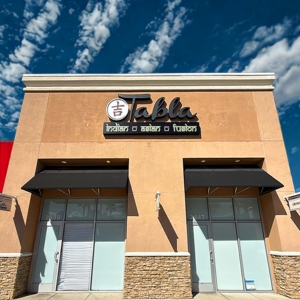
Have Questions About Tabla Franchise Opportunities?
Our Franchise Consultants are Here to Discuss How You Can Become a Part of the Tabla Family.