
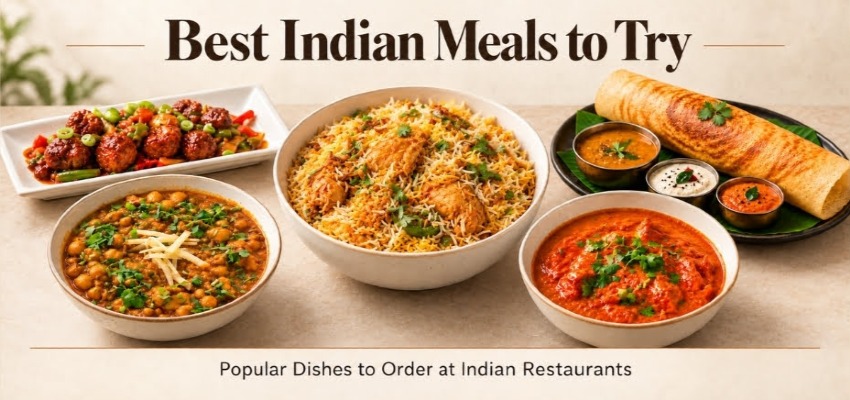
A February 2023 Datassential analysis counted 5,661 Indian restaurants and 2,222 Indian ghost kitchens in the US, against 7,515 Thai restaurants and 355 Thai ghost kitchens. Datassential places Indian cuisine one stage behind Thai on its Menu Adoption Cycle, with 30% consumer affinity against Thai's 42%. The best Indian meals to try divide by region: tandoor and dairy in the north, rice and lentils in the south, vinegar and coconut on the coast.
Tabla has served Indian, Indo-Chinese and Thai food since 2008 and franchises three formats: Fine Dining, Fast Casual Concept, and Express / QSR. This guide gives the fee, investment range and training length for each.
For most of the last forty years, the best Indian meals available in America came from a single template: a North Indian menu, a tandoor, and a short list of curries that rarely changed between cities. That template has been coming apart, and what has replaced it is regional.
Dosa counters, Hyderabadi biryani specialists and Indo-Chinese kitchens now sit alongside the older full-service model. This guide covers the best Indian food to try by region, how to read an unfamiliar menu, and how the demand behind those menus translates into a restaurant franchise decision.
How Indian Restaurant Menus in the U.S. Have Evolved
The older generation of Indian restaurants in the US built one menu for the whole country. It drew mostly from Punjab and Delhi, and it standardised around dishes that travelled well.
Two things broke the pattern. Pew Research Center estimated 5.2 million people identified as Indian in the United States in 2023, the second-largest Asian origin population in the country, and delivery changed which formats could survive.
Datassential's count shows how far delivery went. Its February 2023 analysis found 5,661 Indian restaurants in the US and 2,222 Indian ghost kitchens. Thai had more storefronts at 7,515 but only 355 ghost kitchens.
That ratio is unusual, and it says something specific: Indian food proved it travels in a delivery bag before it finished proving itself on main streets.
The Best Indian Meals to Try, Region by Region
Indian cuisine is not one cuisine, and the single most useful thing a first-time diner can know is which region a menu is drawing from. The flavour base changes completely between them.
| Region | Flavour Base | Signature Dishes |
|---|---|---|
| North India (Punjab, Delhi) | Dairy, wheat, tandoor cooking, garam masala | Butter chicken, dal makhani, naan, tandoori chicken |
| South India (Tamil Nadu, Karnataka) | Rice, lentils, coconut, curry leaf, tamarind | Dosa, idli, sambar, Chettinad curries |
| Coastal West (Goa, Kerala) | Coconut milk, kokum, vinegar, garlic, red chilli | Fish curry, Goan vindaloo, appam |
| Hyderabad and the Deccan | Saffron, fried onion, yoghurt, tamarind, peanut | Hyderabadi dum biryani, mirchi ka salan |
| Bengal and the East | Mustard oil, panch phoron, freshwater fish, poppy seed | Macher jhol, shorshe ilish, mishti doi |
| Indo-Chinese | Soy, vinegar, dried red chilli, ginger, garlic | Chilli paneer, Hakka noodles, Manchurian |
Butter Chicken
Tandoor-cooked chicken finished in a tomato gravy enriched with butter and cream, originally from Delhi. It is the mildest entry point on most North Indian menus and the dish most likely to taste familiar on a first visit.
Chicken Tikka Masala
Grilled marinated chicken in a spiced tomato and cream sauce. Both dishes start from tandoor-cooked meat, so the real difference is the gravy: butter chicken's is smoother and sweeter, while tikka masala carries more onion, ginger and ground spice and reads sharper.
Hyderabadi Dum Biryani
Rice and marinated meat layered in a pot sealed with dough and cooked by trapped steam, a technique called dum. The seal matters, because the dish takes its aroma from the steam staying in rather than from anything added at the end.
Dosa
A fermented rice and lentil crepe from South India, griddled thin and served with sambar and coconut chutney. The batter contains no dairy, though many kitchens griddle dosas in ghee, so a vegan diner should ask for oil instead.
Goan Vindaloo
Pork or chicken cooked in vinegar, garlic and dried red chilli, descended from the Portuguese dish vinha d'alhos. The defining flavour is sour rather than simply hot, which surprises diners who order it expecting only heat.
Chana Masala
Chickpeas simmered in an onion and tomato base with cumin, coriander and dried mango powder. It is vegetarian by default rather than by substitution, which is true of a large share of the Indian repertoire.
What to Order at an Indian Restaurant for a Balanced Meal
Indian meals are built to be shared, so what to order at Indian restaurant tables is really a question about the whole table rather than any one dish. A table ordered well covers more ground than three people each ordering a curry.
- One starter to share. Samosas, pakoras or paneer tikka. These arrive fastest and set the spice expectation for the table.
- One tandoor dish. Tandoori chicken or seekh kebab. Cooked dry at high heat, it balances the gravies that follow.
- One gravy with dairy. Butter chicken, dal makhani or paneer makhani. This is the mild anchor of the table.
- One gravy without dairy. Chana masala, a coastal fish curry or a vindaloo. Sharper and more acidic, it stops the meal tasting uniformly rich.
- Rice and bread. One biryani or plain basmati, plus naan or roti for the gravies.
One dessert. Gulab jamun, kheer or ras malai. . Ordering two gravies that both use cream is the most common mistake, and it flattens the meal. The second gravy should contrast rather than repeat.
Reading the Spice Level
Spice level on an Indian menu is usually adjustable per dish, and the scale is set by the kitchen rather than by any standard. Asking for medium at a South Indian or Andhra kitchen will not land where medium lands at a North Indian one.
Ordering Without Meat
Indian menus carry more vegetarian options than most cuisines because a large share of dishes were never built around meat. Dal, chana masala, palak paneer, aloo gobi and most dosas are vegetarian as written, not modified.
Dishes Worth Asking About
Datassential found that only 13% of US consumers know ras malai by name, and unfamiliar names are the main reason good dishes go unordered. Working out what to order at Indian restaurant counters often just means asking what the kitchen's region is known for.
From Diner Curiosity to Market Opportunity
The gap between how much Americans like Indian food and how much of it is available is the whole opportunity, and it is measurable. Datassential puts Indian cuisine in the Adoption stage of its Menu Adoption Cycle, one step behind Thai at Proliferation, with 30% consumer affinity against Thai's 42%.
Supply tells the same story from the other side. There were 5,661 Indian restaurants to Thai's 7,515, and the ghost kitchen ratio of 2,222 to 355 shows the delivery demand arrived well ahead of the storefronts.
A cuisine with proven delivery demand, fewer storefronts than its closest comparison and no dominant national brand sits in an unusual position. Where a category has already consolidated, entering it means competing against an established brand on price and location.
That is what turns a question about the best Indian food to try into a question about which format to operate. Demand decides whether a category is worth entering. Format decides what it costs to enter it.
Support Included With a Tabla Franchise
Site Selection
Evaluating trade areas, demographics and lease terms before a site is committed. For a regional cuisine this carries more weight than for a mass-market format, because the customer base sits unevenly across a metro.
Training
Three weeks for Fine Dining, two weeks for the Fast Casual Concept, two weeks one-on-one for Express / QSR. The difference tracks kitchen complexity rather than brand familiarity.
Marketing
Brand-level campaigns funded by the 2% brand development fund, with a separate 2% of gross revenue monthly directed at local marketing in the franchisee's own trade area.
Technology
Point of sale, ordering and back-office systems, carried by the monthly technology fee.
Launch and Ongoing Operations
Pre-opening support covering build-out coordination and hiring, then operational support across menu updates, supply chain and performance review.
What This Means for Diners and Franchise Operators
For a Diner: the practical takeaway is to order by region rather than by dish name. A table built from one tandoor dish, one dairy gravy, one acidic gravy and a shared starter covers more of the cuisine than three curries will.
For an Operator: Indian cuisine sits one stage behind Thai on Datassential's adoption curve with fewer storefronts, which describes a supply gap. One kitchen offered at three capital levels lets the entry point follow the trade area instead of the reverse.
Neither reading is a forecast. The data describes consumer affinity and unit counts as measured, and says nothing about what any single location will earn.
Frequently Asked Questions About the Best Indian Meals to Try
Q: What Is the Best Indian Food to Try on a First Visit?
Butter chicken with garlic naan is the most reliable starting point, because it is mild and tomato-based. A dosa with sambar covers South Indian cooking, and a Hyderabadi dum biryani shows what a kitchen can do with layered rice.
Q: What Makes Indian Cuisine Different from Other Cuisines?
Indian cooking builds flavour in stages rather than finishing a dish with sauce. Spices are bloomed in hot oil, onions and tomatoes are cooked until the oil separates, and that base determines the dish before any protein enters.
Q: What Is the Difference Between Butter Chicken and Chicken Tikka Masala?
Both are cream and tomato gravies built on tandoor-cooked chicken, which is why they are easy to confuse. The difference sits in the sauce: butter chicken is smoother and sweeter, while tikka masala carries more onion, ginger and ground spice.
Q: What to Order at Indian Restaurant Menus If I Do Not Eat Meat?
Dal, chana masala, palak paneer, aloo gobi and most dosas are vegetarian as written rather than modified. A large share of the Indian repertoire was never built around meat, so these are full dishes rather than substitutions.
Q: How do I handle spice levels when deciding what to order at Indian restaurant tables?
Ask the kitchen rather than relying on the menu label, because each kitchen sets its own scale. Medium at an Andhra or South Indian kitchen will usually land hotter than medium at a North Indian one.
Q: What Is Indo-Chinese Food?
A cuisine developed over the last century by the Chinese community in Kolkata, applying Indian spice logic to Chinese technique. Chilli paneer, Hakka noodles and Manchurian are the dishes most often found on US menus.
Q: How Popular Is Indian Food in the United States?
Datassential found that 30% of US consumers love or like Indian food, against 42% for Thai, and places Indian cuisine in the Adoption stage of its Menu Adoption Cycle. Its February 2023 analysis counted 5,661 Indian restaurants and 2,222 Indian ghost kitchens.
Q: Why Are There So Many Indian Ghost Kitchens?
Indian food performs well in delivery, and the format needs less capital than a storefront. Datassential counted 2,222 Indian ghost kitchens against 355 Thai ones, despite Thai having more physical restaurants.
Q: Is Opening an Indian Restaurant a Good Business Opportunity?
The category shows measurable consumer affinity with fewer storefronts than Thai and no dominant national brand. Whether a specific location performs depends on trade area, operator and execution, and no franchisor may forecast that outside Item 19 of its Franchise Disclosure Document.
Q: What Does It Cost to Open a Tabla Franchise?
The Fast Casual Concept runs $187,201 to $405,682 with a $36,000 initial franchise fee, Fine Dining runs $326,331 to $631,211 with a $45,000 fee, and Express / QSR runs $187,201 to $405,682 with a $36,000 fee.
Q: What Are Tabla's Ongoing Fees?
A 6% royalty and a 2% brand development fund go to the franchisor, 8% in total. Franchisees also spend 2% of gross revenue monthly on local marketing in their own trade area and pay a monthly technology fee of $500 or $750.
Q: How Do I Start a Franchise with Tabla?
Submit an inquiry through tablafranchise.com to begin the qualification conversation. The process includes reviewing the Franchise Disclosure Document, which a franchisor must provide at least 14 days before any agreement is signed or payment is made.
Explore Tabla Franchise Opportunities
Tabla has served Indian, Indo-Chinese and Thai food since 2008, with 15 or more active locations across Florida, Texas, Illinois, Kentucky, Minnesota and Massachusetts. Three formats, one brand, one supply chain, and the same 8% franchisor fee structure across all of them.
If the best Indian food to try in your market is still coming from independents, that is the gap. Submit a franchise inquiry to talk through which of the three formats fits your capital and trade area.

Vasu Kohli
Vasu is a food and hospitality writer passionate about showcasing Tabla Indian Restaurant's franchise journey and growth. Through insightful content, she highlights what makes Tabla a compelling franchise opportunity, covering its proven business model, scalable operations, authentic culinary systems, and successful expansion across multiple states. She also brings the brand's dining experience to life by sharing stories about Tabla's authentic Indian cuisine, signature dishes, warm hospitality, and memorable guest experiences, helping readers discover what makes every visit special.