A restaurant franchise opportunity in Illinois turns on two things most buyers look at last: a state registration step that decides whether an offer is lawful, and the crowding of a market where restaurants are the second largest private employer.
Neither shows up in a brochure. This guide covers the Illinois market as measured, the registration rule behind every offer here, and how one brand's formats compare.
Quick Summary
The National Restaurant Association puts Illinois restaurant sales at $54.4 billion across 26,770 locations. The industry is the state's second largest private employer. Every dollar spent in Illinois restaurants contributes $1.82 to the state economy.
Illinois requires franchisors to register before offering or selling. Tabla was founded in 2008, began franchising in 2024, and operates in Schaumburg.
Illinois Restaurant Industry: Key Market Statistics and Insights
These are the National Restaurant Association's 2026 Illinois figures, from Bureau of Labor Statistics and Census Bureau data for 2025.
| Measure | Illinois Figure | |
| Restaurant and foodservice sales | $54.4 billion | |
| Restaurant locations | 26,770 | |
| Restaurant and foodservice jobs | 588,100 | |
| Eating and drinking place jobs | 458,900 | |
| Rank among state private employers | 2nd |
Eating and drinking places account for 458,900 of the 588,100 total, the balance being non-restaurant foodservice roles.
Scale cuts both ways. Those locations are also the competition for staff and sites, and that contest is local.
Illinois Franchise Registration Requirements: What Buyers Need to Know
Most states let a franchisor hand over the federal disclosure document and sell. Illinois does not.
The governing law is the Franchise Disclosure Act of 1987, at 815 ILCS 705. No franchisor may offer or sell a franchise in Illinois if the franchisee is domiciled there, or if the offer is made or accepted there and the business will be located there, unless the franchise is registered with the Administrator. The Administrator is the Illinois Attorney General, and its Franchise Bureau handles filings.
Three things follow:
- Registration is not approval: The Act states that registration is not a finding that the disclosure statement is true, accurate or complete, and does not mean the Administrator has passed on the merits. It is a filing, not an endorsement.
- It lapses yearly: The franchisor must file an updated disclosure statement no later than one business day before the registration expires.
- Registered status is a matter of record: The Act provides for a certificate from the Administrator stating whether a franchise is registered, admissible as evidence under the Act.
So the first question about franchise opportunities Illinois buyers are shown is whether the brand holds a current Illinois registration. Ask in writing rather than assuming.
Evaluating Illinois's Restaurant Market Before Investing
Scale does not lower operating risk. Nationally the picture is mixed: the National Restaurant Association projects $1.55 trillion in US restaurant and foodservice sales for 2026, while 42% of operators said their restaurants were not profitable in 2025.
A franchise system does not fix a competitive market. It packages what a first-time operator would otherwise invent: menu, training, site method and opening.
That is the case for weighing franchise opportunities Illinois offers against building independently. It is about execution risk, not returns.
Comparing Tabla's Three Restaurant Franchise Models
The service model decides the team a location carries, the first thing to settle in a market this size. These are Tabla's published descriptions.
| Format | Tabla's Service Model | Tabla's "Best For" |
| Express / QSR | Top 20 best-selling items, freshly prepared in small batches | Malls, food courts, airports |
| Fast Casual Concept | Quick service with a relaxed sit-down atmosphere | High-traffic neighborhoods and busy retail centers |
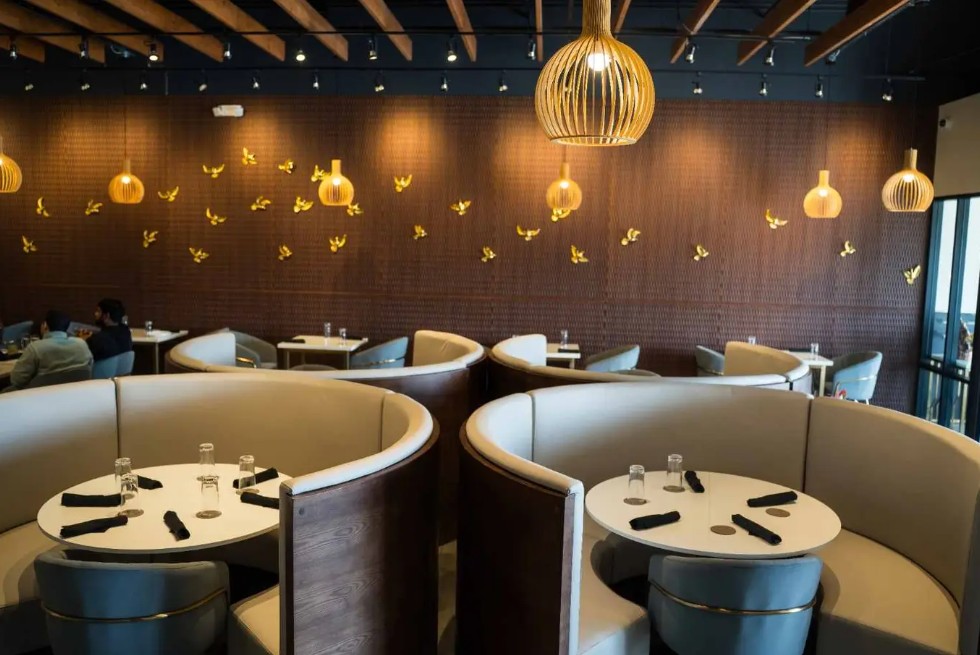
| Fine Dining | Bespoke seating hosting up to 150 guests, optional full-service bar | High-end dining with full-service hospitality |
Tabla's Franchise Models
Tabla began its journey in 2008 with its first restaurant in Orlando, Florida, and launched its franchise program in 2024. Today, the brand has a presence in Florida, Texas, Illinois, Kentucky, Minnesota, Massachusetts, and Ohio, offering Indian restaurant franchise opportunities through three distinct restaurant franchise models: Fine Dining, Fast Casual, and Express/QSR.
Each model is designed to serve different market segments and investment preferences.In the Chicago metropolitan area, Tabla lists Schaumburg as an open location and Elgin as coming soon. However, operating restaurants in a state does not automatically mean the brand is registered to sell franchises there.
Prospective franchisees should verify the applicable state franchise registration requirements before making an investment decision.
Support Areas
Tabla lists construction and leasehold improvements, furniture, fixtures and equipment, training and onsite support, site selection, grand-opening marketing, software systems and ongoing support.
Investment by Format
Investment, initial fee and training length as Tabla publishes them, with startup figures labelled estimated.
| Model | Total Investment | Initial Franchise Fee | Training |
| Fast Casual Concept | $187K – $405K | $36,000 | 2 weeks |
| Fine Dining | $326K – $631K | $45,000 | 3 weeks |
| Express / QSR | $187,201 – $405,682 | $36,000 | 2 weeks |
Tabla's Ongoing Franchise Fees and Payment Structure
Each ongoing fee sits on its own stated basis:
- Royalty: 6% of gross sales, weekly
- Brand development: 2% of gross revenue, weekly
- Local advertising: 2% of gross revenue, monthly
- Technology fee: $750 or $1000 per month
When evaluating an Indian restaurant startup cost, prospective franchisees should consider both the initial investment and ongoing operating fees. Items 5, 6, and 7 of the Franchise Disclosure Document (FDD) outline the initial franchise fee, recurring charges, payment terms, and estimated initial investment.
Tabla does not publish revenue or profit figures. Item 19 covers any financial performance representations made by the franchisor, which are voluntary. Item 20 provides contact information for current and former franchisees, allowing prospective buyers to learn about their experiences.
Key Considerations for Researching and Evaluating Franchise Opportunities in Illinois
For Market Researchers: the restaurant industry is Illinois's second largest private employer, and registration is what separates a lawful offer from a pitch.
For Prospective Franchise Buyers: franchise opportunities Illinois brands advertise need two checks before any money conversation: the current Illinois registration and the full Franchise Disclosure Document.
These figures describe state and national industry data and published franchise terms as measured, and say nothing about what any single restaurant will earn.
Frequently Asked Questions
Everything you need to know — quick answers to the questions we hear most.
Q: How Big Is Illinois's Restaurant Industry?
Q: Does Illinois Require Franchises to Be Registered?
Q: Does State Registration Mean Illinois Has Approved the Franchise?
Q: How Do I Confirm a Franchisor Is Registered in Illinois?
Q: How Often Must an Illinois Registration Be Renewed?
Q: Who Regulates Franchise Opportunities Illinois Brands Offer?
Q: How Long Do I Get to Review the Disclosure Document?
Q: Where Can I See What Existing Franchisees Say?
Q: Why Do Franchisors Not Publish Expected Revenue?
Q: Does Tabla Operate in Illinois?
Explore Restaurant Franchise Opportunities in Illinois
Evaluating a restaurant franchise opportunity in Illinois requires careful consideration of state registration requirements, local market competition, staffing availability, and total investment costs.
Interested in exploring Tabla's franchise models? Submit a franchise inquiry at Tabla Franchise, request the Franchise Disclosure Document (FDD), and verify the applicable Illinois registration requirements before making an investment decision.

Vasu Kohli
Vasu is a food and hospitality writer passionate about showcasing Tabla Indian Restaurant's franchise journey and growth. Through insightful content, she highlights what makes Tabla a compelling franchise opportunity, covering its proven business model, scalable operations, authentic culinary systems, and successful expansion across multiple states. She also brings the brand's dining experience to life by sharing stories about Tabla's authentic Indian cuisine, signature dishes, warm hospitality, and memorable guest experiences, helping readers discover what makes every visit special.