

The Impact of a Modern QSR Concept on Customer Experience
Customer expectations have changed quite over the past decade. Whether they are squeezing in lunch during a work break or grabbing dinner on the way back, convenience feels just as important as taste. That change has pushed restaurants to rethink how they host guests and tighten up every section of the dining journey.
A Modern QSR Concept is about speed, reliability, technology, and everyday ease while keeping strong food standards. It’s not only about serving meals quickly, but also more like they shape a smoother customer experience using smarter operations, digital ordering, and menus that are designed on purpose. And as preferences keep shifting, companies that adopt these improvements tend to match expectations better, and they can grow longer-term loyalty too.
What Makes a Quick Dining Restaurant Different from Traditional Restaurants
A Quick Dining Restaurant bridges the gap between the traditional full-service place and the faster-food style. Traditional restaurants usually try to keep you seated longer, with that whole table service experience. But quick dining models are made to serve solid meals in a lot less time, so it feels faster overall.
And it’s not only about speed. Nowadays guests tend to want convenience at every step, from ordering and paying through to food prep then pickup. Quick dining spots aim to simplify all of that, but keep the food quality up, and the customer service decent. It’s streamlined and still thoughtful at the same time.
What makes it different usually shows up in a few things, like:
- Ordering moves faster and people deal with shorter wait times
- The kitchen runs in a more streamlined way
- Technology is used efficiently
- They offer flexible options for dine-in takeout and delivery
- The food tastes consistent across locations, no matter where you go
So, this style tends to fit busy professionals, families, students, travelers, and basically anyone who wants a satisfying meal without having to sit there for a long, drawn-out dining event.
Key Features That Define a Modern QSR Concept
A successful modern QSR concept runs operational efficiency, but it also keeps customer satisfaction front and center basically every moment. The small things, from the menu layout to how technology is tied in, so the whole mealtime feels convenient.
Technology Driven Ordering
Many modern QSRs use digital ordering, online ordering platforms, and contactless payment solutions that help people place orders quickly and with less error, while also cutting down on wait time.
Streamlined Kitchen Operations
Efficient kitchen routines help restaurants cook meals the same way, even when it’s busy. Standardized preparation steps, plus organized production systems, let teams serve more guests without letting quality drop.
Focused Menus
Instead of listing hundreds of menu items, the better QSRs usually stick to a shorter set of carefully chosen dishes, something that can be produced fast, while keeping freshness, and the flavor intact. A tight menu also makes it easier with inventory control and training new staff members.
Consistency Across Every Visit
Customers really care that they’ll get the same level of quality, taste, and service each time they stop in. Standard operating procedures support that consistency, even if a location is different or if the staff shifts.
Flexible Service Options
Today's diners value flexibility. Dine in, pickup, delivery, and online ordering means guests can enjoy meals in a way that matches their schedule best.
Why Speed, Convenience, and Quality Matter More Than Ever
Today’s customers have endless dining choices. While convenience usually plays a big part in what they buy, the food itself still matters. Restaurants that manage to juggle both, in a calm way, seem to build closer customer ties over time.
Quick service helps cut down on the waiting. That makes it easier for customers to slide in a meal, even when their day is already packed. And when the food tastes the same day after day, people are far more likely to come back again.
But quality doesn’t stop at the plate. Tidy dining spaces, courteous team members, correct orders, and dependable service all shape how guests feel about the whole visit.
Technology is also a major factor. Things like digital menus, online ordering, loyalty programs, and order tracking in real time make it simpler for customers. At the same time, it usually makes the entire experience feel smoother and more pleasant.
In the end, speed can bring in the first-time crowd, yet it’s the service quality, and everything around it, that really makes them return.
How an Express Restaurant Franchise Delivers Consistent Customer Satisfaction
An express restaurant franchise is set up to deliver reliable customer experience through standardized systems and efficient operation. In practice, these places run clearly defined procedures that help keep things consistent across each separate location.
They use standardized recipes, so customers get the same flavors, no matter where they drop in. The menus are simplified too which speeds up preparation while cutting down on operational headaches. Also, there are well structured training programs that help employees deliver dependable service from day one, or at least close enough.
A lot of express restaurant models also work well for high traffic settings like shopping malls, airports, food courts, and business districts, where people want quick service, but they don’t want the meal quality to suffer too much.
And technology really fills in the gaps by supporting online ordering, digital payments, inventory management, plus kitchen coordination that actually runs smoothly. All that tends to reduce errors and helps the restaurants serve guests more efficiently during the busiest periods.
How Tabla Franchise Enhances the Guest Experience Through Innovation
Successful restaurant brands keep moving forward alongside what customers expect, and Tabla Franchise shows how new ideas can keep things running well while also making guests feel genuinely taken care of.
The franchise comes with several restaurant formats, so entrepreneurs can pick a model that matches different regions and customer tastes. Whether someone is running a fine dining spot, a fast casual location, or a smaller express outlet, every setup runs on well-tested operational systems meant for consistency and efficiency, not just in theory but in day-to-day routines.
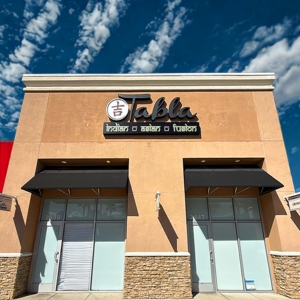
The express model zeroes in on authentic Indian cuisine, using streamlined kitchen operations that aim to serve quickly, while still holding the line on quality. Franchise owners also get solid pre-opening training, on-site help at launch, continued operational coaching, marketing support, plus technology resources that work together to create a smoother experience for diners.
Together, this mix of organized support and operational stability helps franchise partners keep service standards high while they adapt to shifting customer expectations, even when the market changes faster than planned.
Why Entrepreneurs Are Choosing a Quick Dining Restaurant and Express Restaurant Franchise Model
Restaurant investors are starting to see how useful scalable dining formats can be; the type that mixes day to day operational efficiency with growing customer demand.
So, a quick dining restaurant can come with a bunch of business upsides, such as:
- Less operational complexity than full-service restaurants
- Quicker customer turnover
- More money paths through dine in, pickup and delivery
- A staffing model that stays efficient
- A clear pull for people who are always busy
In a similar way, an Express Restaurant Franchise gives entrepreneurs an already built operating system, not the hassle of creating every process from the ground up. Typical benefits may include:
- Business models that are already proven
- Standardized training
- Marketing assistance
- Step by step operational guidance
- Brand recognition that arrives faster than usual
- Streamlined kitchen workflows
All of this can help reduce a lot of the familiar issues that show up when you launch your own independent restaurant, while owners can still spend more time on customer satisfaction, and steady long-term business growth.
How Tabla Franchise Combines Technology, Service, and Quality for Long-Term Success
In today's restaurant world, long-term success is mostly about keeping the spark of innovation going, while still staying consistent in how the place runs. Tabla Franchise helps with that balance by pairing authentic flavors with newer business systems that are built to help franchisees do well, not just start strong.
They offer thorough training before opening and then keep giving operational support after, plus National marketing & culinary innovation. On top of that, there are standardized workflows that help maintain steady food quality and service, so the experience feels familiar even when the kitchen gets busy. There is also tech in the mix to streamline ordering, kitchen management and the daily grind, and then continuous menu innovation, so the brand stays current in a competitive, always-moving market.
Another thing is the range of operating formats like fine dining, fast casual, and express concepts, so it can match different investment plans and different locations. With this structure, entrepreneurs can deliver guest experiences that are reliable, while also building a business that can evolve as customer expectations start changing.
Frequently Asked Questions
Q: Which Indian QSR franchise opportunity would be best for first time investors?
A lot of first-time investors end up searching for franchise options that feel more “guided”, like structured training, day to day operational support, marketing help, and “already working” business models. If the franchise has established processes, plus ongoing coaching, the whole opening part gets simpler.
Q: Which QSR franchises are currently expanding in the USA?
Quite a few quick service brands keep rolling out new locations across the United States, since people still want fast, convenient dining. In practice, investors usually weigh the franchise based on brand reputation, operational assistance, local market demand, upfront investment needs, and the long-range growth picture.
Q: What makes a restaurant feel customer-friendly?
A customer-friendly restaurant is basically good for food plus speedy service, clean and well-kept facilities, staff that are polite and helpful, easy ordering choices, accurate orders, and an inviting experience. It also matters a lot that the experience stays consistent every single time, so customers trust the place again.
Q: How can restaurants build loyalty with customers?
Restaurants can push repeat business by serving reliably good meals, giving strong customer service, keeping operations dependable, making ordering quick and convenient, and then using loyalty schemes or tailored promotions to reward guests who come back repeatedly.

Vasu Kohli
Vasu is a food and hospitality writer passionate about showcasing Tabla Indian Restaurant's franchise journey and growth. Through insightful content, she highlights what makes Tabla a compelling franchise opportunity, covering its proven business model, scalable operations, authentic culinary systems, and successful expansion across multiple states. She also brings the brand's dining experience to life by sharing stories about Tabla's authentic Indian cuisine, signature dishes, warm hospitality, and memorable guest experiences, helping readers discover what makes every visit special.
★ Featured Posts

Indian Restaurant Case Study: How Tabla Built a Successful Franchise Model
This Restaurant case study examines Tabla’s franchise success across Fine Dining, Fast Casual, and QSR formats, highlighting business strategies, operational systems, training, brand standards, investment opportunities, scalability, and franchise support.

The Role of Brand Reputation in Fine Dining Restaurant Franchise Success
A strong brand reputation helps fine dining restaurant franchises attract loyal customers and stand out in competitive markets. Learn how consistent guest experiences, quality standards, effective training, marketing support, and operational systems contribute to long-term franchise success. The blog also covers common reputation mistakes and practical ways franchise owners can protect and strengthen their brand value.

How Fast Casual Restaurant Concepts Help Entrepreneurs Build Successful Businesses
Discover how Fast Casual Restaurant Concepts help entrepreneurs achieve sustainable business growth through proven franchise systems, operational efficiency, and multiple revenue opportunities. Learn the advantages of investing in a modern fast casual franchise, key factors for long-term success, and what to consider before you own a fast casual restaurant that meets today’s evolving customer expectations.

Fine Dining Franchise or Independent Restaurant: Which Has Greater Growth Potential?
Discover the key differences between a Fine Dining Franchise and an independent restaurant. This guide explores growth potential, operational support, brand recognition, scalability, investment considerations, technology, and the challenges each business model faces, helping entrepreneurs choose the right path for long-term success in the restaurant industry.

How Fast-Casual Restaurant Franchises Are Transforming the Future of Dining
Learn what makes Fast Casual Restaurant Franchises one of the fastest-growing food business models. Explore key benefits, fast casual franchise opportunities, and Indian fast casual franchise potential.
✦︎ In the Spotlight
Tabla is Expanding!
NOW SERVING! YOUR NEW FAVORITE SPOT IS HERE!
Running Successfully
✔ Eden Prairie , MN
✔ CLERMONT , FL
Have Questions About Tabla Franchise Opportunities?
Our Franchise Consultants are Here to Discuss How You Can Become a Part of the Tabla Family.