

What Is a QSR Franchise? A Complete Guide for New Investors
Hungry people want food fast. They aren't going to sit around for thirty minutes waiting on a waiter when they only have a short lunch break. That basic reality keeps the quick-service restaurant industry alive and kicking through every crisis.
If you're hunting for a solid entry into the food world, you've definitely run across the term QSR franchise. But let's look past the slick corporate brochures. Running one of these is a grueling game of tight logistics, split-second speed, and rigid systems.
How the QSR Franchise Business Model Works in Real Life
Go stand inside a busy fast-food joint during the noon rush. To an outsider, it looks like absolute chaos. To an operator, it’s a finely tuned machine where every single second is counted.
The whole foundation rests on predictability. You aren't hiring a creative chef to invent a menu. You are buying a highly specific, repeatable playbook.
First, you cut a check for the upfront franchise fee. That buys your way into the system, giving you the rights to the branding, the proprietary recipes, and the operating manual. From there, you'll pay ongoing monthly royalties, which are usually a fixed percentage of your gross sales, along with an advertising fund fee to keep national marketing campaigns running.
The real value, though, comes from the backend engine. This is why these are the best restaurant franchises to own for people who want a predictable system. Corporate handles the massive vendor contracts, meaning you buy your chicken, containers, and sauces at bulk rates a single mom-and-pop shop could never dream of touching. They also force you and your team through mandatory training academies before you ever open your doors. Menus are deliberately kept simple. Fewer ingredients mean less kitchen waste, lower food costs, and blazing fast prep times.
Why the QSR Franchise Industry Is Growing So Fast
People have less free time than ever before. Consumers now expect instant gratification. They want to tap a few buttons on an app and grab a hot meal five minutes later.
Brand familiarity drives this entire engine. Customers take comfort in knowing a breakfast item taste exactly the same in Ohio as it does in California. Lately, this craving for reliable, bold flavors has fueled a massive boom in the Indian QSR franchise space, as modern consumers look for fast, spice-forward alternatives to standard burgers and fries.
Why Investing in a QSR Franchise Is a Smart Business Move
Independent restaurants close down at an alarming rate because owners try to get too creative, food costs get out of hand, and marketing fails.
A franchise cuts out that guesswork. You inherit an operating system that has already survived years of messy trial and error. Because the workflows are completely standardized, managing daily operations is much less complicated than running an independent kitchen. You don't need highly paid culinary experts; you need a disciplined general manager who can execute a daily checklist without cutting corners.
The beauty of a quick-service setup is how fast you can scale. Lower labor requirements and rapid customer turnover give you a much faster path to ROI compared to launching a traditional, full-service joint from scratch.
Initial Investment Cost and Setup Requirements for a Food Express Franchise
Let's look at the actual cash required. Opening a compact, high-velocity food express franchise requires a clear understanding of your capital allocation. You save money because you don't need a massive dining room, but high-end kitchen tech gets expensive fast.
- Initial Franchise Fee: Usually runs between $20,000 and $50,000 just for the licensing rights and territory protection.
- Kitchen Equipment & Tech: Expect to spend around $100,000 to $250,000 on commercial fryers, specialized grills, walk-in coolers, and advanced POS systems.
- Buildout & Signage: $50,000 to $150,000 goes toward handling interior renovations and local safety codes.
- Working Capital: You need $30,000 to $60,000 in liquid cash reserves to cover food orders and payroll before the store starts turning a profit.
On top of the money, you'll need to navigate a mountain of local health department permits, business licenses, and liability insurance long before corporate lets you open the doors.
Profit Potential and Revenue Expectations in a QSR Franchise
So, what can you actually take home at the end of the month? A healthy, well-located quick-service unit can pull in anywhere from $60,000 to $120,000 in monthly gross revenue.
Your net profit margins will typically hover between 15% and 22% after you pay your prime costs, which are food and labor. If you watch your inventory like a hawk and keep scheduling tight, you can realistically expect to hit your break-even point within 18 to 24 months.
Your actual take-home income will depend entirely on your local lease rates and your ability to keep staff. High employee turnover will absolutely destroy your margins because recruiting and training new hires drains time and money.
Common Mistakes New Investors Should Avoid in QSR Franchising
Many people buy a business and mistakenly assume it will just run on autopilot. Choosing a brand blindly because you personally love eating the food is a recipe for disaster; the unit economics have to work in your specific market.
Another classic blunder is underestimating your working capital needs; if you spend every single penny on construction, you will drown during your first two slow winter months.
Location selection is everything. Cheap rent usually means terrible visibility and low foot traffic, which kills a fast-food business.
Finally, skipping out on the actual dirty work is a major red flag. Investors who refuse to occasionally stand behind the register or check the prep lines will always struggle to hold their managers accountable.
How to Choose the Right QSR Franchise Brand
Get your hands on the company's Franchise Disclosure Document and go straight to Item 19 to look at real historical financial performance.
Don't just trust the sales reps. Call up current franchise owners who are already operating in other cities. Ask them directly if corporate actually helps when the supply chain breaks down or if they leave you to figure it out on your own.
Look hard at your local market gaps. If your neighborhood is already flooded with burger joints, do not open another one. Look for what is missing. For example, a nimble fast casual restaurant franchise focusing on healthy, customizable bowls might dominate a commercial district that only has greasy spoons. On the other hand, if your area has high disposable income but zero upscale evening options, exploring a premium fine-dining restaurant franchise could be the smarter long-term move. Always match the concept to the local demographic.
Final Thoughts: Is a QSR Franchise Right for You?
At the end of the day, buying a QSR franchise isn't a passive investment. It is a system-driven commitment. If you are looking for a business where you can invent new recipes every week and change the décor on a whim, you will hate this model. It will feel like a corporate straitjacket.
But if your long-term vision is built around predictable operational discipline, scalable systems, and steady cash flow, it is incredibly tough to beat. Be honest about your risk appetite.
FAQs
What are the biggest mistakes to avoid when opening a QSR franchise?
Common mistakes include choosing the wrong location, underestimating working capital needs, ignoring operational standards, and selecting a franchise based solely on personal preferences rather than market demand.
How do I choose the best restaurant franchises to own?
Look for franchises with strong financial performance, positive franchisee feedback, comprehensive support programs, and growing customer demand. Reviewing the Franchise Disclosure Document (FDD) is essential.
What should I consider before investing in a food express franchise?
Before investing in a food express franchise, evaluate startup costs, brand reputation, franchise support, location potential, competition, and the expected return on investment.
Why is the Indian QSR franchise segment growing in the USA?
The Indian QSR franchise market is growing because consumers increasingly seek bold flavors, diverse cuisine options, and convenient dining experiences. Indian quick-service concepts combine authentic taste with fast and efficient service.

Amar Paul
Amar Paul is a franchise and hospitality content strategist with a focus on restaurant growth, entrepreneurship, and emerging opportunities in the foodservice industry. Through his work with Tabla Franchise, he develops educational content that explores franchise ownership, industry trends, business scalability, and operational support systems. His writing helps aspiring entrepreneurs better understand the opportunities and advantages of investing in a modern, growth-oriented restaurant franchise.
★ Featured Posts

How Fast Casual Restaurant Concepts Help Entrepreneurs Build Successful Businesses
Discover how Fast Casual Restaurant Concepts help entrepreneurs achieve sustainable business growth through proven franchise systems, operational efficiency, and multiple revenue opportunities. Learn the advantages of investing in a modern fast casual franchise, key factors for long-term success, and what to consider before you own a fast casual restaurant that meets today’s evolving customer expectations.

Fine Dining Franchise or Independent Restaurant: Which Has Greater Growth Potential?
Discover the key differences between a Fine Dining Franchise and an independent restaurant. This guide explores growth potential, operational support, brand recognition, scalability, investment considerations, technology, and the challenges each business model faces, helping entrepreneurs choose the right path for long-term success in the restaurant industry.

How Fast-Casual Restaurant Franchises Are Transforming the Future of Dining
Learn what makes Fast Casual Restaurant Franchises one of the fastest-growing food business models. Explore key benefits, fast casual franchise opportunities, and Indian fast casual franchise potential.

How Indian QSR Franchises Are Transforming the Global Food Industry
The rise of Indian food express franchises is changing the restaurant industry by combining speed, consistency, and proven franchise systems for long-term business success.

What Makes Tabla Franchise a Strong Investment Opportunity for Entrepreneurs
Discover why entrepreneurs choose Tabla Franchise with scalable Fine Dining, Fast Casual, and Tabla Express (QSR) models, backed by a strong brand, comprehensive training, operational support, and long-term business growth potential.

Fine Dining Franchise: A Smart and Profitable Investment Opportunity
A fine dining franchise offers high returns, refined operations, and scalable growth, making it a powerful opportunity in today’s hospitality market.
✦︎ In the Spotlight
Tabla is Expanding!
NOW SERVING! YOUR NEW FAVORITE SPOT IS HERE!
Running Successfully
✔ Eden Prairie , MN
✔ CLERMONT , FL
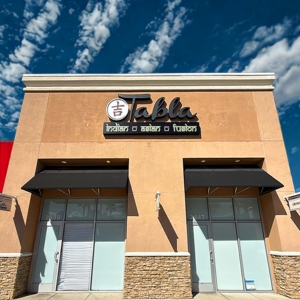
Have Questions About Tabla Franchise Opportunities?
Our Franchise Consultants are Here to Discuss How You Can Become a Part of the Tabla Family.